

Electrical Rubber Mats
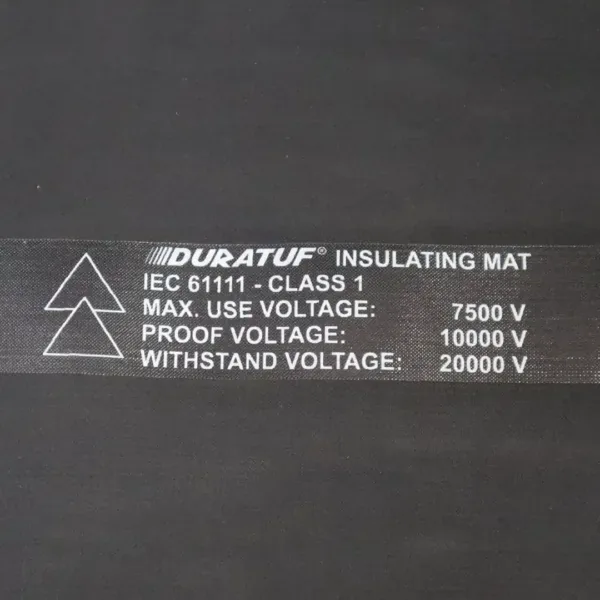
IEC 61111:2009
The flagship general-purpose mat for Indian substations and panel rooms.
View Technical Specs
ISI Marked | Third-Party Type Tested | Made in India | Class A, B & C

Product overview
Choose electrical insulating matting based on the environment, working voltage and applicable safety requirements.
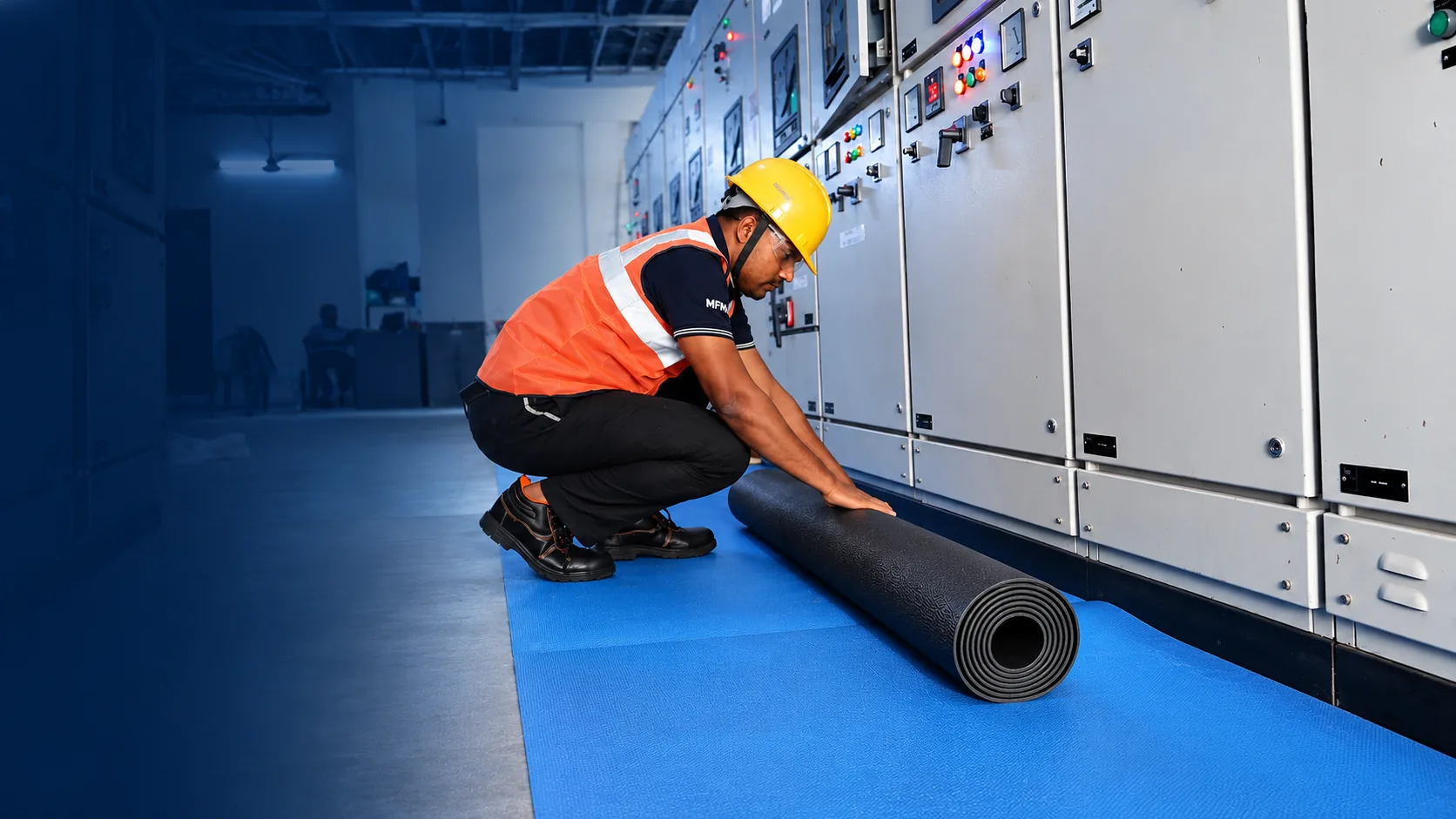
Duratuf’s XVolt range is built for keeping people safe on the floor of India’s highest-risk electrical work areas. Each mat is type tested to IS 15652:2006 and carries an ISI marking at every meter, so compliance is visible on the mat itself.
As a supplier of IS 15652 type-tested insulating mats, we provide third-party test certification with every XVolt order. The upper surface of the mat is marked at every meter for easy on-site verification, in line with the latest IS 15652:2006 requirements. Electrical floor mats are not an accessory, they are safety equipment. Whether it is a production unit or a commercial building, XVolt mats reduce the risk of electrical hazard while giving workers a more comfortable surface to stand on through long shifts. The mats use an anti-slip dotted top surface and are available in Black and Blue.
Our Clients
Our clients are not just business collaborations but relationships we value for a lifetime. We commit ourselves to manufacture features rich high quality insulating mats.






















Material construction
The XVolt mat is made from a high-quality elastomer, free from any type of insertion, blended with compounds selected specifically to raise electrical resistance. The mix ratio is controlled to keep performance consistent across every roll. Electricity keeps industry running, but it doesn’t warn before it fails. A live wire or a current leak doesn’t announce itself and in the wrong conditions that same leak can start a fire. XVolt mats are used across India’s core high-voltage industries like coal, crude oil, natural gas, refining, fertilizers, steel, cement, and power generation. Anyone working around high-voltage equipment carries high shock risk. Machines like motors and generators typically run above 1,000 volts and they sit at the center of operations in power generation, oil and gas, and utilities. That is exactly where floor-level insulation stops being optional.

Trusted & Certified










Safer workplaces
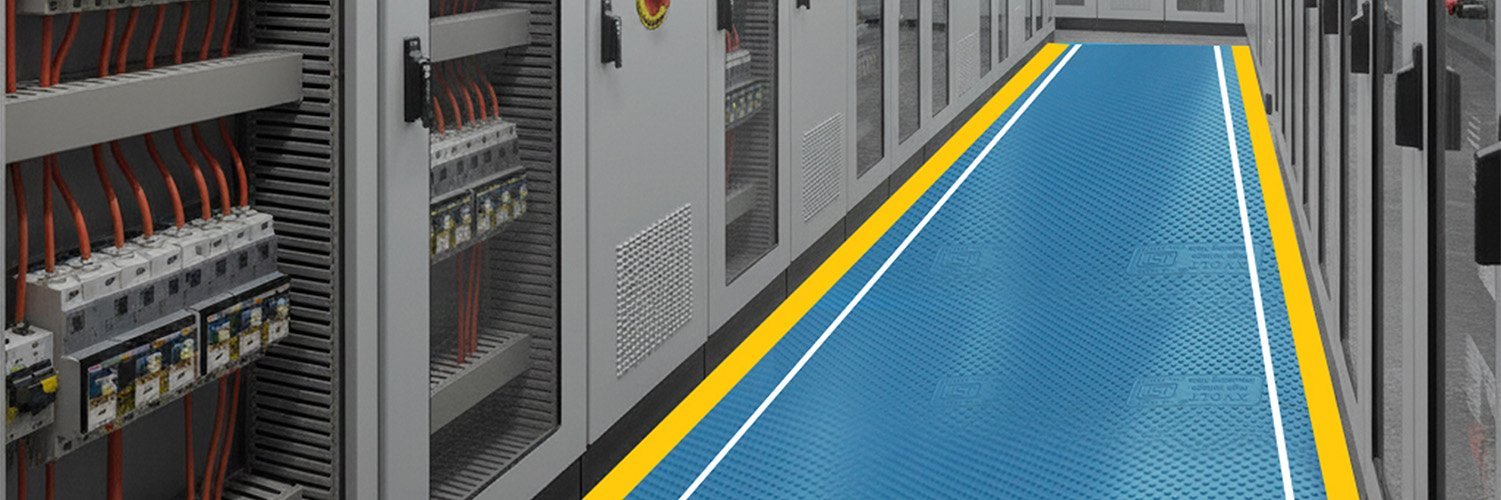
Slide right to discover how Duratuf electrical insulating mats transform your industrial floors into safe, compliant work zones.
*Custom colours subject to availability and technical feasibility.
Technical reference
IS 15652 Electrical Insulating Mat is available in Class A, B and C. Confirm class, dimensions and current test documents for your application.
Features
Our products are relevant to a range of industrial environments where electrical safety and informed product selection are essential.
All our electrical insulating mats are pretested to ensure complete safety against shocks for the required voltage.
We take into consideration all safety testing approvals and provide you with IS 15652 marked mats approved by all government and safety audit agencies.
The insulating mats are available in stunning blue and black colours and can also be customized with a yellow border and wear protection layer.
The special anti-skid dotted design ensures proper gripping to avoid any accidents due to slippage.
We have kept our XVolt Electrical Mat costs as low as possible without compromising on quality to make sure you get the best pricing.
We have a large ready inventory in different colours and sizes in our multiple warehouse locations to provide prompt delivery anywhere in India.
The Range
IEC 61111:2009
The flagship general-purpose mat for Indian substations and panel rooms.
View Technical Specs
IEC 61111:2009
The flagship general-purpose mat for Indian substations and panel rooms.
View Technical Specs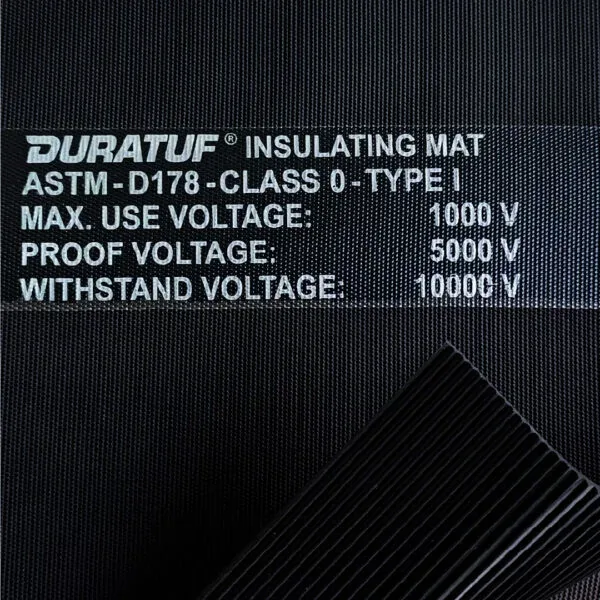
ASTM-D178
The flagship general-purpose mat for Indian substations and panel rooms.
Discover X-Volt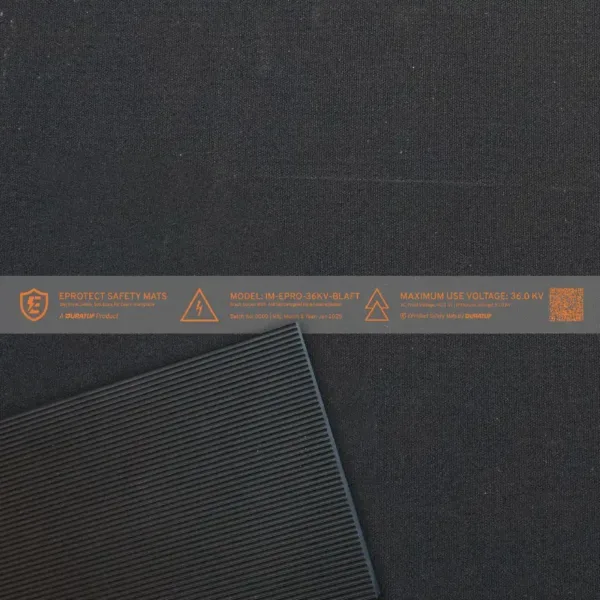
EProtect
The flagship general-purpose mat for Indian substations and panel rooms.
Find Your Mat ClassFAQs
Electrical safety mat selection is standards-led. The answers below are intentionally qualified; check current manufacturer documents and local requirements before specifying.
An electrical insulation mat is made of elastomer and some other compounds. They are used to protect workers from electric shock. Once you lay an insulating mat in front of high-voltage machinery and a worker stands on it, they channel the static electricity to the ground which may otherwise pass through the human body.
There are many insulated matting options to choose from. Want to understand the difference between them? Reach out to us.
Insulating mats should be used to provide electrical insulation and protection to workers against electrical hazards in workplaces. Especially the ones with high-voltage installations, switch rooms, and transformer areas.
The size and thickness vary with the class of electrical rubber mats. The Duratuf X-Volt electrical rubber mats are available in standard sizes of 1m x 10m. We also have 1M width x 2M Long cut sizes in ready stock. Here’s the breakdown of thicknesses:
For Class A mats, rated for voltages ranging from 3.3 KV to 30.0 KV:
• Thickness: 2.0 mm
For Class B mats, rated for voltages ranging from 11.0 KV to 45.0 KV:
• Thickness: 2.5 mm
For Class C mats, rated for voltages ranging from 33.0 KV to 65.0 KV:
• Thickness: 3.0 mm
These specifications ensure that the electrical insulation mats are tailored to meet the voltage requirements of different classes while providing adequate thickness for effective electrical insulation and safety.
Need help choosing the right electrical safety mat? Reach out to us now!
We take the safety parameters seriously and test each electrical rubber mat according to the IS 15652 standard. These tests include:
Electrical Resistance Test:
Purpose: Evaluate resistance to electric current.
Tensile Strength and Elongation Test:
Purpose: Assess mechanical strength and flexibility.
Flame Resistance Test:
Purpose: Check resistance to flame propagation.
Aging Test:
Purpose: Simulate long-term use and environmental effects.
Water Absorption Test:
Purpose: Determine water absorption characteristics.
Ozone Resistance Test:
Purpose: Evaluate resistance to ozone exposure.
Dimensional Stability Test:
Purpose: Verify maintenance of specified dimensions
Shipping times vary based on factors such as location and product availability. Our team of experts can provide estimated shipping times when you place an order. Since we maintain a ready stock of our insulating mats in 6 warehouses across India, stay assured that, we ship our products fast!
At Duratuf, we do not commit to offering the lowest rates. Instead, we promise you the highest quality. Therefore you may not find our electrical rubber mat price at a low rate. However, if you want to get rid of the maintenance costs in the long run, you can trust the X-volt electrical mat. The durable build significantly reduces the maintenance cost. Moreover, the insulated rubber mats last at least 5-6 years (or more) with the right maintenance practices.
We can help you know more! Contact us right away!
Duratuf’s X-Volt IS 15652 insulating mats are carefully packaged in High-Density Polyethylene (HDPE) roll packs to ensure top-notch protection and ease of handling. This premium packaging solution guarantees that the mats remain intact and secure during storage, transportation, and handling, maintaining their integrity until they reach the customer.
Duratuf goes beyond traditional packaging with its innovative QR Code Feedback System. Each pack of insulating mats features a QR code that allows customers to provide instant feedback on the product. Scan the code, share your thoughts, and help us improve. It’s transparency, convenience, and a commitment to excellence—all in one simple scan.
Know more by connecting with us!
The IEC 61111 standard is similar to the IS 15652 standard. However, the former is accepted globally while the latter is restricted to the Indian subcontinent only.
The IEC 61111 standard specifies the requirements for electrical insulating mats used for the safety of workers against electrical hazards in workplaces such as high-voltage installations, switch rooms, and transformer areas. It outlines the material, construction, dimensions, testing methods, and marking requirements for these mats to ensure their effectiveness in providing electrical insulation and protection.
To request a quote, you can mail, call, or WhatsApp our experts. You can also use the Website Chat option. We respond within 60 minutes.
To assist you in purchasing an electrical mat, we would need the following information:
• Voltage Rating: The maximum voltage the mat will be exposed to, as mats are designed for specific voltage ranges.
• Class Requirement: Whether you need Class A, B, or C mats, which are categorized based on their voltage ratings.
• Size Requirements: The dimensions (length, width) of the area where the mat will be installed, or the size of the mat needed.
• Thickness Preference: The preferred thickness of the mat, as it can vary based on voltage rating and application requirements.
• Color Preference: If the color of the mat is important for your application or safety requirements.
• Quantity: The quantity of mats you require for your project or facility.
• Additional Features: Any specific features you may need, such as anti-skid design, flame resistance, or customization options.